
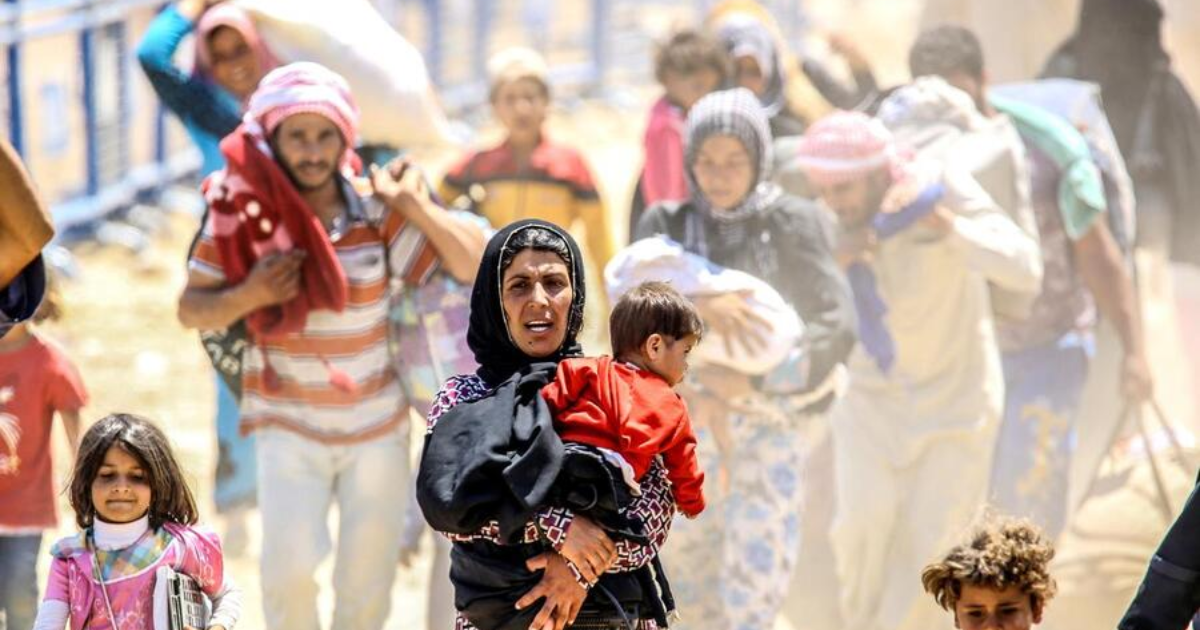

It has been over a decade since the Syrian conflict forced millions of people from their homes. And yet, for most Syrian families, the crisis is not over. The displacement continues. The uncertainty continues. The daily struggle to meet basic needs, navigate foreign systems, and hold families together continues. Understanding what challenges Syrian refugees face is the first step toward responding in a way that is genuinely useful.
The situation in Syria has been described by international bodies as one of the worst humanitarian crises in modern history. According to Mercy Corps, more than half of Syria’s pre-war population of 22 million has been forced to flee their homes at least once. These are not abstract numbers. They are families, teachers, engineers, and children who have had their lives upended by forces entirely outside their control.
Displacement Without End
One of the most painful challenges Syrian refugees face is the sheer length of their displacement. Many families have now been living outside Syria for over a decade. They fled, expecting to return in months. Instead, they have watched years pass in temporary accommodation, refugee camps, or cramped urban apartments in host countries where they often lack full legal status.
Extended displacement erodes everything: savings, skills, professional networks, family structures, and mental health. The longer it goes on, the harder reintegration becomes, whether that means integrating into a host country or eventually returning to Syria.
Legal Status and Access to Rights
Many Syrian refugees live in a legal grey zone. They may have asylum seeker status but not full refugee recognition. Or they may have temporary protection that can be withdrawn. This insecurity affects nearly every dimension of daily life, including the ability to work legally, access healthcare, enrol children in school, and rent housing.
Legal barriers are among the most underreported challenges Syrian refugees face. Without a clear legal status, families are vulnerable to exploitation by landlords and employers who know they have few options. They are also cut off from the formal economy in ways that make poverty almost inevitable.
Food Insecurity and Inadequate Shelter
Access to food and appropriate housing remains a daily struggle for many Syrian refugee families, particularly those living outside formal camp settings. Urban refugees in countries like Lebanon and Jordan often spend the majority of their income on rent, leaving little for food or other essentials. Winter months bring additional hardship when heating becomes unaffordable.
Organizations like Aramea Foundation address these needs directly through food package distribution, shelter support, and winter relief kits that include fuel and warm clothing for children. But the demand consistently exceeds what any single organization can provide alone.
The Education Gap for Children
One of the most devastating challenges Syrian refugees face is the interruption of children’s education. Years in transit or in camps mean that many Syrian children have experienced significant gaps in schooling. When they arrive in host countries, they often face language barriers, overcrowded schools, and systems that are not designed to meet their specific needs.
A child who cannot access quality education today is a young adult without qualifications tomorrow. The long-term economic and social consequences of this are significant, both for individual families and for the communities trying to integrate them.
Mental Health and the Weight of Trauma
Trauma is one of the most persistent and least visible challenges Syrian refugees face. Families who have survived bombing, displacement, the loss of loved ones, and dangerous journeys carry psychological wounds that often go untreated. In host countries where mental health services are scarce or language-inaccessible, support is hard to find.
Without psychosocial care, trauma becomes a barrier to education, employment, and integration. Children who do not receive support may struggle in school. Adults may find it impossible to work consistently. Families under chronic stress fracture.
A Shared Responsibility to Respond
Understanding what challenges Syrian refugees face is not just informative. It is a call to action. These are solvable problems, and they become less severe when humanitarian organizations have the sustained funding and support they need to operate effectively.
If you are ready to help, Aramea Foundation provides a direct and accountable channel for your support. From food packages to education sponsorship to legal assistance, every contribution addresses the real challenges Syrian refugees face every day. Make a difference here.