

If you have ever donated to a humanitarian cause, you have probably wondered what happens next. Where does the money go? Who makes the decisions? And what does the day-to-day work actually look like? Understanding how refugee aid organizations work is not just useful trivia. It is what helps you give better, trust more confidently, and stay engaged for the long term.
The organizations doing this work operate across a spectrum, from large international bodies to small, community-embedded NGOs. Some respond to crises within hours. Others build systems that take years to take shape. And the best ones do both at once, which is exactly what makes them so essential.
The Starting Point: Assessing What Is Needed
Before an aid organization sends food, deploys staff, or launches a programme, it conducts a needs assessment. This means gathering data directly from affected communities to understand the specific gaps: Is it shelter? Food security? Medical access? Legal support? The quality of that initial assessment shapes every decision that follows.
This is the foundation of refugee aid work. They do not impose solutions. They identify actual needs, prioritize the most urgent ones, and design responses accordingly. For Syrian refugees across Europe and the Middle East, this process has had to evolve constantly as the crisis has moved from the emergency phase into prolonged displacement.
Emergency Response: The First Layer of Care
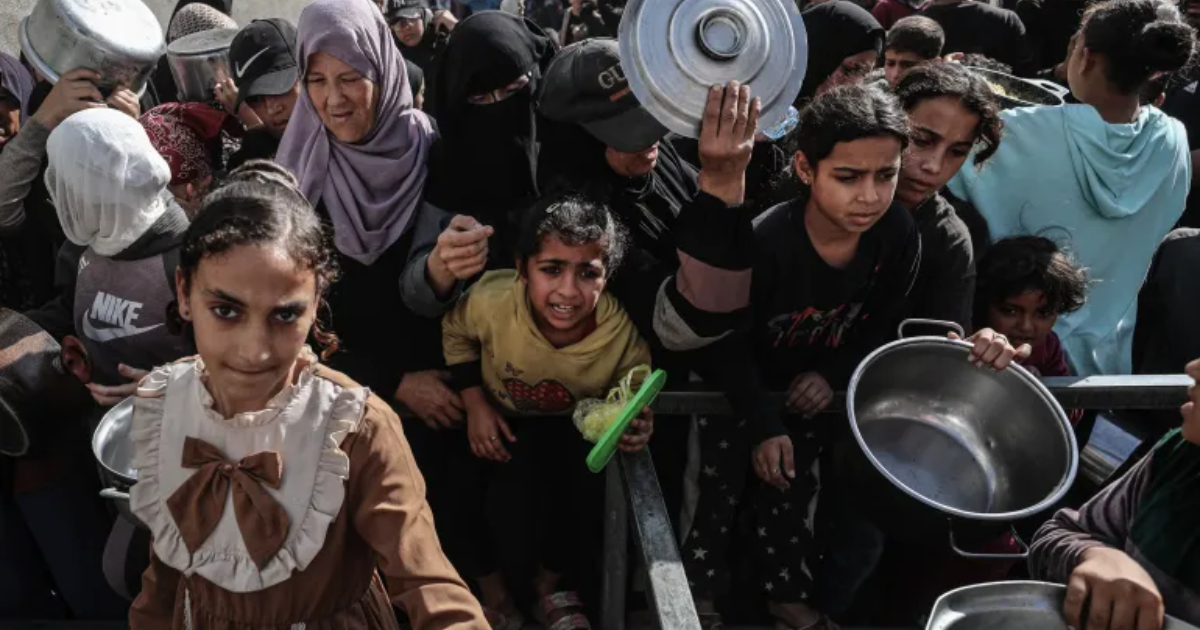
When a crisis breaks out or a family first arrives in a host country, the immediate priorities are food, water, shelter, and medical care. Aid organizations mobilize quickly because they already have staff on the ground, established supply chains, and relationships with local partners who know the terrain.
This is the most visible part of how refugee aid organizations work, and it is what often captures public attention. But emergency response is only the first chapter. What comes after is less dramatic and equally important.
From Relief to Recovery: The Longer Journey
Once immediate needs are met, the work shifts. Education programmes begin enrolling children who have spent months or years out of school. Mental health services reach families carrying the weight of trauma. Legal teams help asylum seekers understand their rights and navigate host country systems.
Organizations that understand how refugee aid organizations work in their full complexity build this progression intentionally. They move from emergency relief to long-term development, ensuring that every intervention serves not just survival but the restoration of dignity and future opportunity.
This is central to the approach of Aramea Foundation, which combines direct humanitarian aid with research, policy engagement, and community programmes specifically designed for Syrian refugees in Europe and the wider region.
Funding: Where the Resources Come From
Aid organizations are funded through a combination of individual donations, institutional grants, government contracts, and partnerships with larger international bodies. The most effective organizations diversify their funding sources so that they are not entirely dependent on one stream that might dry up when media attention shifts.
Knowing how refugee aid organizations work financially also helps you understand why monthly giving matters so much. Predictable income allows organizations to plan, hire staff, and sustain programmes rather than lurching from one fundraising push to the next.
Policy Work and Advocacy: Changing the System
The most sophisticated organizations not only respond to the crisis. They try to change the conditions that create and prolong it. This means publishing research, engaging policymakers, hosting round table discussions, and arguing for legal protections that give refugees a better chance at long-term stability.
This dual mandate, practical aid plus systemic advocacy, is precisely what distinguishes organizations like Aramea Foundation from simpler delivery-focused charities. It is how progress gets made beyond individual cases and into lasting policy change.
Transparency and Accountability
Responsible aid organizations measure what they do, report it publicly, and adjust when something is not working. They welcome scrutiny because accountability is what builds donor trust and protects communities from programmes that look helpful but are not.
When you understand how refugee aid organizations work at every level, from frontline delivery to financial reporting, you are in a much stronger position to support the right ones. Now that you have that picture, it is time to act on it. Join hands with Aramea Foundation and put your understanding to work for Syrian families who need consistent, principled support.
