
What Happened During the 2014 Syrian Refugee Crisis, and Why It Still Matters Today

In 2014, the world witnessed one of the most significant shifts in modern human migration. Millions of Syrian families, fleeing war, persecution, and economic collapse, began pouring into neighboring countries and, eventually, into Europe. It was not just a moment in history. It was a turning point that reshaped humanitarian policy, global discourse, and countless lives.
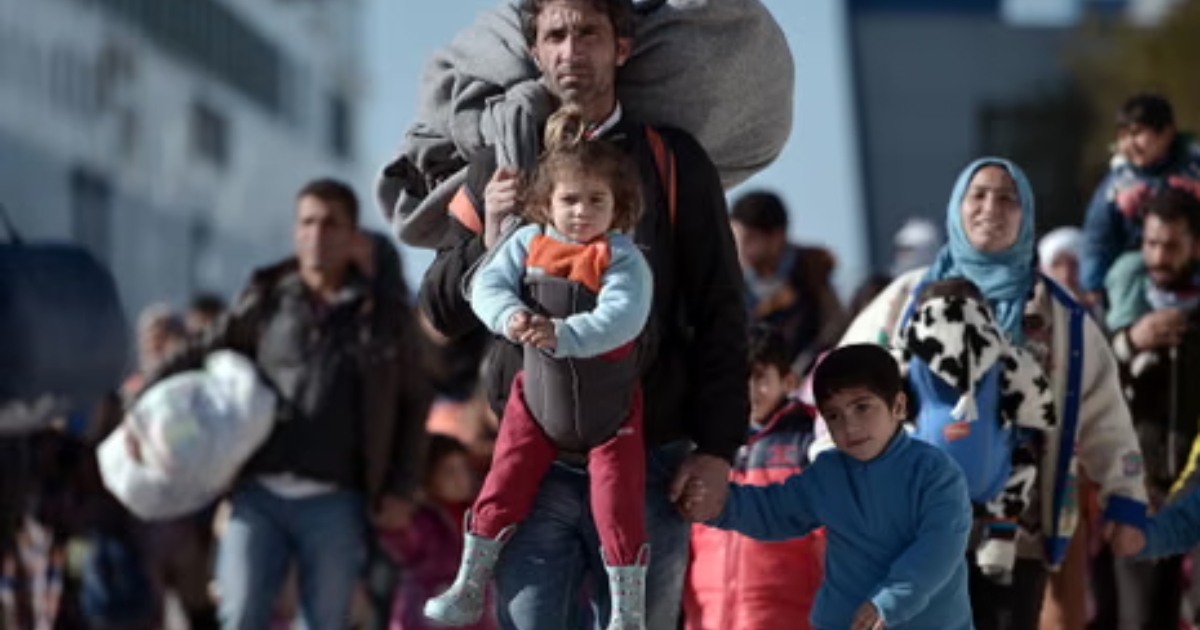
If you’ve ever asked what happened during the 2014 Syrian refugee crisis, the answer isn’t just numbers or political headlines. It’s about people, parents carrying their children across borders, teens forced out of classrooms, and communities overwhelmed by needs they couldn’t meet. The ripples from 2014 are still being felt today. And understanding what happened helps us make better decisions about how to respond now.
The Conflict That Sparked a Mass Exodus
The Syrian civil war began in 2011, but by 2014, the violence had escalated. Major cities like Aleppo and Homs were reduced to rubble. ISIS had gained control over large parts of the country. Government airstrikes and militant violence left families trapped between danger and desperation.
This is the backdrop to what happened during the 2014 Syrian refugee crisis: more than three million people left Syria by the end of that year, with hundreds of thousands arriving in Jordan, Lebanon, Turkey, and Europe. Many had no formal refugee status yet, no access to services, and no sense of when, or if, they could return home.
How the World Reacted
The response was mixed. While many countries opened their borders, others struggled to accommodate the sudden influx. Systems were overwhelmed. Camps are filled beyond capacity. Aid agencies ran low on resources. Tensions grew between host communities and the new arrivals.
For Syrian families, this meant long waits for asylum, uncertainty about where they would live, and difficulty accessing healthcare or education. The question of what happened during the 2014 Syrian refugee crisis includes both the escape from Syria and the struggle to survive in host nations that were themselves unprepared.
Why 2014 Was a Turning Point
While the Syrian crisis had already been growing for years, 2014 marked the moment the world could no longer look away. Images of overcrowded camps, children sleeping on the streets, and boats capsizing in the Mediterranean sparked global attention.
It was also the year that reshaped refugee policy. New programs for resettlement were introduced. Legal definitions were tested. NGOs like us, Aramea Foundation, began focusing not just on emergency aid, but long-term support: education, mental health care, and resettlement assistance.
The Long-Term Impact
Many of those displaced in 2014 are still refugees. Some live in European cities, trying to build new lives. Others remain in camps in Turkey or Lebanon, facing new hardships like inflation, discrimination, or legal uncertainty. Their children are now teenagers. Their temporary shelters have become semi-permanent homes.
We continue to support these families, not just with immediate aid, but with programs aimed at recovery, inclusion, and hope. Because what happened during the 2014 Syrian refugee crisis didn’t end in 2014. It continues through every policy made, every child taught, and every family still waiting for stability.
Conclusion
To understand what happened during the 2014 Syrian refugee crisis is to understand the challenges still facing millions of people today. It was a humanitarian emergency, but it also exposed gaps in how the world responds to displacement.
As we look ahead, we carry the lessons of 2014 with us: the need for faster response, better infrastructure, and a deeper commitment to dignity and human rights. At Aramea Foundation, those lessons shape everything we do, because the crisis may have started over a decade ago, but for many, it’s still not over.
