
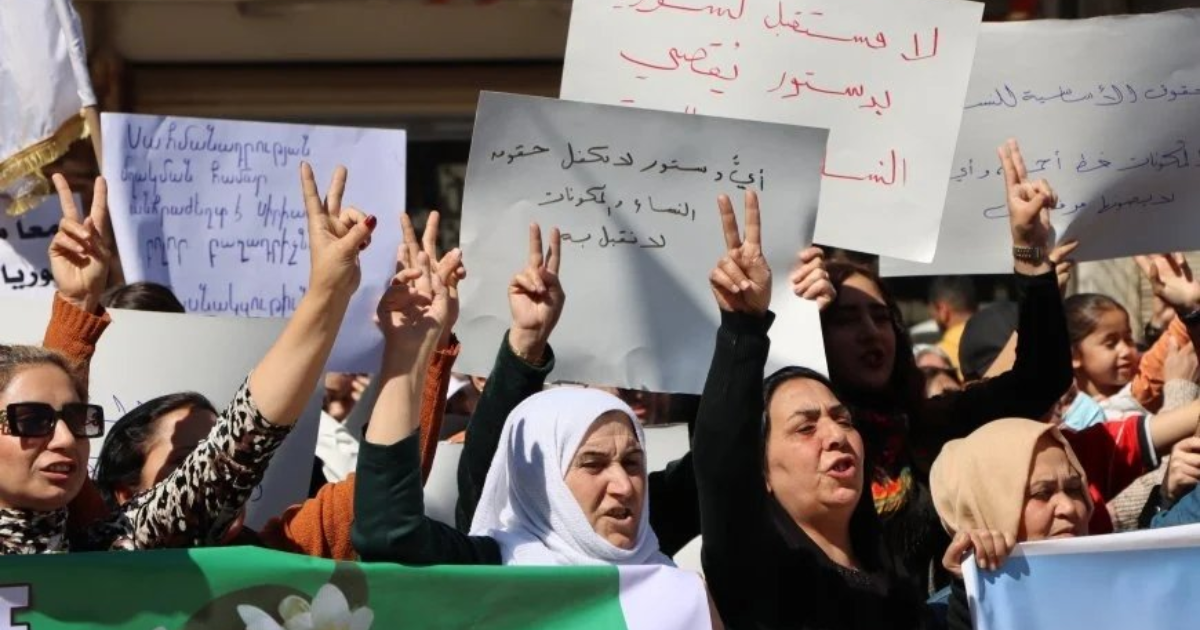
The Role of Women in Rebuilding Syria – Leading Through Loss, Healing Through Action

Syria’s conflict left a trail of devastation, but it also revealed something extraordinary: the strength of its women. As cities fell and systems collapsed, it was often women who held families together, kept children fed, and found ways to survive. Now, as the country begins to rebuild, the role of women is not just important, it’s essential.
When we talk about recovery, we usually focus on infrastructure, governance, or aid. But the role of women in rebuilding Syria has been the quiet engine behind community resilience. At Aramea Foundation, we’ve seen women run schools in exile, lead neighbourhood initiatives, and care for the next generation with little support. This is what true leadership looks like.
From Survivors to Community Builders
Syrian women didn’t choose to lead during the crisis. They had to. Many lost husbands or brothers in the war. Others became heads of households overnight. With little outside help, they managed food, education, healthcare, and shelter, often under the threat of violence or displacement.
In camps and host communities, they’ve formed support groups, taught children, and worked small jobs to earn income. The role of women in rebuilding began at the family level, but quickly expanded to the community. Because when systems failed, they built new ones.
Creating Safety and Stability
After conflict, safety is fragile. Women play a major part in restoring it, not just physically, but emotionally. They are often the ones helping children process trauma, reestablishing daily routines, and mediating disputes within displaced communities.
The role of women in rebuilding Syria includes creating spaces where people feel protected. Whether that’s through informal education centers, safe spaces for girls, or health clinics run by women for women, these efforts help communities heal from the inside out.
Women in Leadership and Local Governance
Rebuilding a country also means rethinking who leads. Across Syria and in exile, women have stepped into leadership roles once closed to them. They run NGOs, represent local councils, lead advocacy groups, and influence policy. In many places, their perspective is vital, not just because they bring lived experience, but because they prioritize education, healthcare, and protection.
The role of women in rebuilding Syria isn’t symbolic. It’s practical. It shows up in the way a classroom is managed, in how resources are shared, or in how conflict is resolved within a family or community. These contributions reshape what leadership can, and should, look like.
Barriers That Still Exist
Despite their contributions, Syrian women continue to face enormous obstacles. Gender norms, legal restrictions, economic dependence, and limited access to education all hold them back. Many women still live under traditional frameworks that don’t recognize their leadership or allow them to fully participate in formal recovery efforts.
At Aramea Foundation, we believe this needs to change. We support training, education, and outreach programs that help women claim space and access opportunity. Because for recovery to be complete, it must be inclusive.
Why Women Are Key to the Future
When women are involved in rebuilding, communities are more stable, families are healthier, and long-term peace is more likely. It’s not just a theory. It’s been shown time and time again. The role of women in rebuilding Syria is not about representation. It’s about effectiveness.
Women are shaping Syria’s future. They’re building homes, raising future leaders, leading aid efforts, and speaking for those who’ve been silenced. If we want to see sustainable recovery, we have to make sure women are not just included, they’re leading.
Conclusion
The role of women in rebuilding Syria is one of the most powerful forces driving recovery today. From families to frontline efforts, women have been essential to survival and stability, and they will be just as essential to the country’s future.
At Aramea Foundation, we stand with the women who are rebuilding more than homes. They’re rebuilding hope. And if Syria is to move forward, it must do so with women leading the way.