
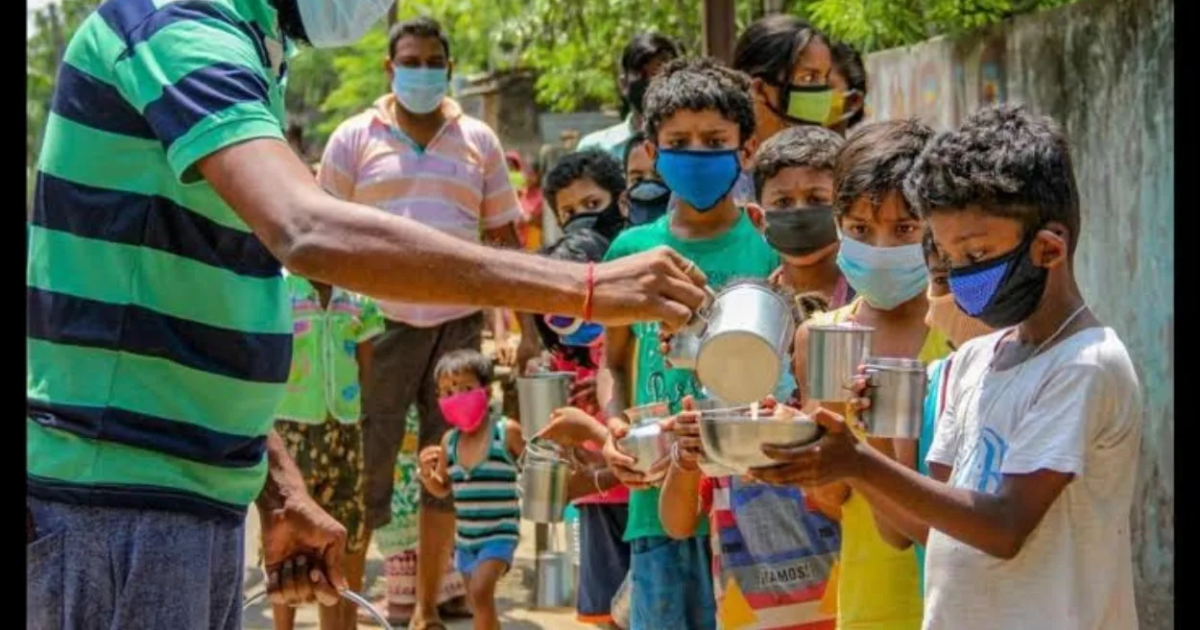

When conflict ends or slows, rebuilding does not happen overnight. Communities face damaged infrastructure, limited resources, and deep social disruption. Recovery requires coordination, planning, and long-term commitment.
This is where understanding the role of NGOs in rebuilding war-torn communities becomes important. NGOs act as connectors between immediate relief and long-term development. They help translate urgent needs into structured recovery efforts.
Without that structure, rebuilding becomes fragmented and slow.
Bridging Emergency Aid and Development
NGOs are often the first to respond during crises. They provide food, shelter, and medical care. But their role does not stop there. As situations stabilize, they shift toward rebuilding systems.
Looking at the role of NGOs in rebuilding war-torn communities, you will notice how they transition from relief to recovery. They support education programs, rebuild healthcare systems, and help restore local economies.
This transition is critical. It ensures that communities do not remain dependent on emergency aid.
Strengthening Local Capacity
Effective NGOs do not replace local systems. They strengthen them. This includes training local staff, supporting community leaders, and working with regional institutions.
Understanding the role of NGOs in rebuilding war-torn communities means recognizing this partnership. Sustainable recovery happens when local communities are empowered to lead their own development.
Aramea Foundation contributes to this process by combining research with humanitarian programming. This ensures that rebuilding efforts are informed and adaptable.
Addressing Social and Economic Recovery
Rebuilding is not only about infrastructure. It is also about restoring trust, education, and economic opportunity. NGOs support vocational training, small business development, and community engagement programs.
These efforts are central to the role of NGOs in rebuilding war-torn communities because they create long-term stability. Economic recovery reduces dependency and strengthens resilience.
Communities begin to rebuild not just physically, but socially.
A Collaborative Path Forward
Recovery requires collaboration between NGOs, governments, and local communities. No single organization can rebuild alone. Coordination ensures resources are used effectively and reach those who need them most.
Aramea Foundation works within these networks to support both humanitarian response and policy-level discussions that shape recovery strategies.
Why It Matters to You
Now that you understand the role of NGOs in rebuilding war-torn communities, you can see how support extends far beyond emergency aid. NGOs help create the systems that allow communities to recover and grow again. Supporting these efforts means contributing to long-term stability, not just short-term relief.