
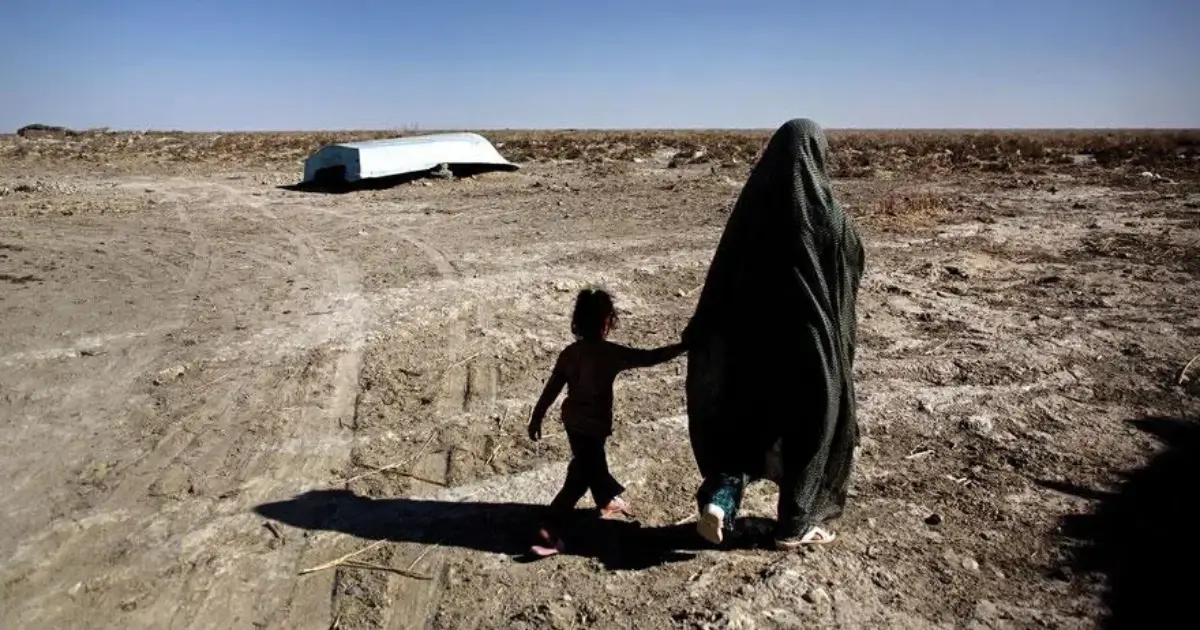

Do you ever think about what Syria was like before the war? Before headlines and destruction became its defining image? Remembering Syria isn’t just nostalgia. It’s a way to honor a culture that has always thrived despite conflict and displacement. When you recall memories of Damascus souks, Aleppo architecture, or childhood afternoons on shaded balconies, you remember more than memory. You remember identity.
This sense of remembering the country becomes an act of resistance. It reminds displaced Syrians of safety, belonging, and the richness of life they once knew. At Aramea Foundation, we believe that preserving those memories is vital to healing trauma and rebuilding dignity, not just for refugees, but for Syria’s future.
Why Remembering Syria Matters So Deeply
The act of remembering Syria helps preserve its cultural legacy. Cities like Aleppo and Damascus once welcomed travelers for their markets, food, and history. These memories live on in poetry, stories, and immigrant kitchens worldwide. When communities share those recollections, they resist erasure.
Stories from storytellers, artists, and ordinary Syrians, like the hakawati Abu Shady or digital activists, serve as living archives. They document everyday life, family connections, and traditions that conflict sought to destroy. That kind of remembrance keeps history alive in a way facts alone never can.
Memory as Collective Healing
When Syrians share memories of youth, festivals, or community life, they also process trauma. As one Syrian author described, childhood memories of Damascus or simple meals become threads that hold identity together amid loss. Without these recollections, many feel untethered, a sense described in articles like “My Fading Memories of Syria.”
At Aramea Foundation, we support storytelling forums and memory preservation initiatives. We believe that when Syrians retell their lives before war, it becomes therapy, not just personal but communal. It helps bridge generations who never met the Syria that existed.
What Most Coverage Misses
Plenty of media focus on destruction and displacement. But they often miss what Syrians remember the most: community life. Pre-war Syria had families that shared tea on balconies, souks bustling with spices and silk, and older generations telling stories to children at cafes.
When you remember Syria, you also remember rites of passage, weddings, neighborhood festivals, even dawn calls to prayer echoing through Old City alleys. That detail is hard to capture in brief news stories but is central to identity. By adding those elements into the conversation, we fill gaps that mainstream narratives overlook.
How You Can Help with Remembering Syria
You don’t need to be Syrian to be part of memory preservation. You can collect stories, share photographs of homes that no longer exist, or record oral histories from displaced community members. When you do so, you help someone reconnect.
At Aramea Foundation, our research team collaborates with Syrians in exile to document pre-war life: culinary traditions, educational customs, language patterns, and artistic expressions. We create forums where elders speak to younger generations. That process of remembrance becomes a bridge between past and future, pain and education.
Why It’s Linked to Recovery and Rebuilding
When trauma is layered over memory, you risk losing both identity and hope. Remembering Syria resets that balance. It reminds refugees who they were, and who they can still become. It creates emotional anchors for returning communities in post-conflict Syria.
We support both emergency aid for displaced families and cultural preservation projects that let Syrians record songs, poems, and stories. In this way, remembering Syria becomes integral to rebuilding a nation defined not by conflict but by history and contribution.
Conclusion
The power of remembering Syria lives in stories of homes, meals, markets, and smiles, scenes that war can destroy but not erase. Syria’s remembrance isn’t just sentimental. It’s vital to cultural survival. It restores identity, builds healing, and strengthens bonds across generations.
As you reflect on what you remember, or what you’ve lost, consider supporting voices behind those stories. Aramea Foundation stands beside Syrians working to preserve memory in exile and return. Because remembering Syria today helps shape the future it deserves. Get in touch to learn more about how you can help.