
How NGOs Help Refugees Around The World, and Why It Takes More Than Good Intentions

When you see the scale of a refugee crisis, it is easy to wonder what any one organisation can actually do. The numbers are staggering. Millions displaced. Borders overwhelmed. Camps full. Yet, the work of non-governmental organisations continues, quietly and persistently, often in places that do not make the news. Understanding how NGOs help refugees around the world means looking beyond the headlines and into the systems that make recovery possible.
NGOs are not just aid delivery vehicles. They are planners, advocates, researchers, and community builders. They bridge the gap between emergency response and the kind of long-term support that helps people actually rebuild their lives. And in the case of Syrian refugees, that gap is wider than most.
Emergency Aid Is Where It Starts
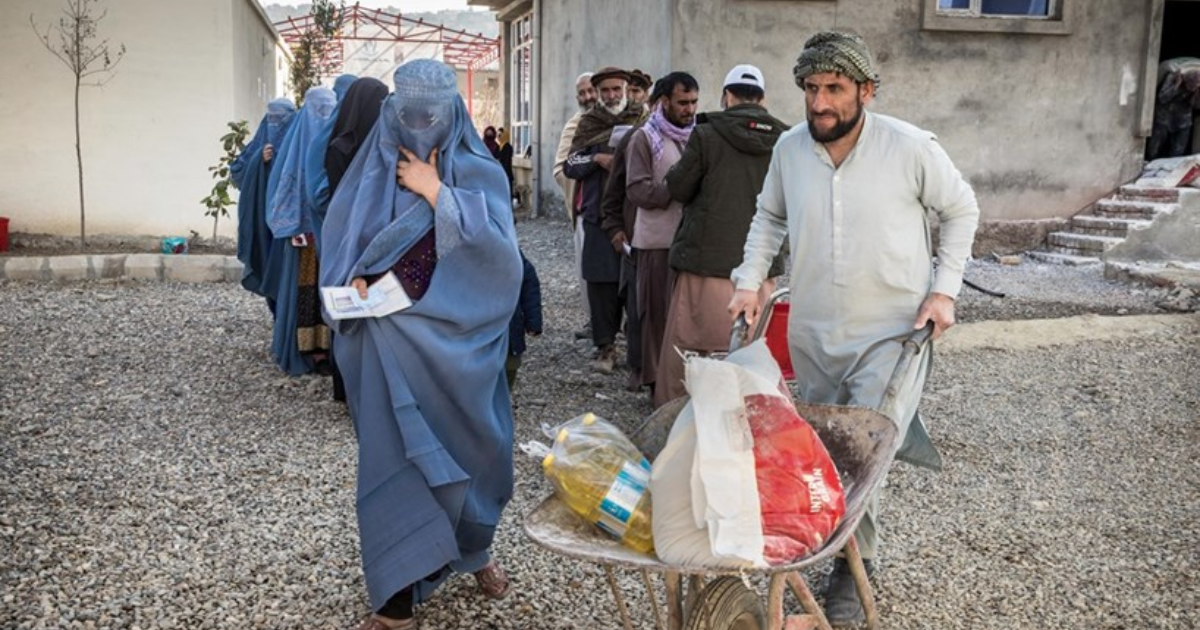
The first and most visible answer to how NGOs help refugees around the world is through emergency relief. This includes food, clean water, shelter, medical care, and hygiene supplies. In crisis settings, these are not optional extras. They are what keep families alive during the most dangerous moments of displacement.
NGOs are often the fastest to respond because they already have established networks, trained staff, and distribution systems in place. When a family crosses a border with nothing, it is often an NGO worker who is there to receive them.
Legal Support and Navigating Host Countries
Crossing a border is only the beginning. What comes next, asylum applications, legal status, housing rights, and education access, requires navigating bureaucratic systems in an unfamiliar language.
Legal aid teams within humanitarian organisations help asylum seekers understand their rights, prepare documentation, and access the protections they are entitled to under international law. Without this support, many refugees would face detention, deportation, or years of legal limbo.
Education as a Core Programme Area
For children, displacement often means interrupted schooling, sometimes for years. NGOs working in refugee education understand that returning a child to the classroom is not just about academics. It is about stability, structure, and healing. Organisations focused on Syrian refugees prioritise how NGOs help refugees around the world through school enrolment, language learning support, and teacher training in host communities.
This is central to the mission of Aramea Foundation, which supports education sponsorship for Syrian refugee children so they can access consistent learning opportunities regardless of where they are in the world.
Mental Health and Psychosocial Support
Trauma is one of the most invisible consequences of forced displacement. Families who have survived war, loss, and dangerous journeys often carry deep psychological wounds that prevent them from moving forward. Part of how NGOs help refugees around the world is by creating safe spaces for people to be heard, supported, and treated.
Mental health programmes within reputable NGOs provide counselling, peer support groups, and community-based recovery activities. These services are especially important for children, who process trauma differently from adults and need age-appropriate support to thrive in school and in their communities.
Policy Engagement and Advocacy
Not all of the work happens on the ground. Some of the most impactful NOGs helping refugees’ stories begin in policy rooms and at conference tables. Organisations that combine humanitarian work with research and advocacy help shape the legal and political frameworks that determine how refugees are treated at a national and international level.
This dual approach, practical aid combined with policy influence, is at the core of what Aramea Foundation does. By producing working papers, hosting round table forums, and engaging policymakers, the Foundation works to create conditions where Syrian refugees have not just immediate safety but long-term rights and opportunities.
Now that you understand how NGOs help refugees around the world, you can see why supporting these organisations matters so deeply. Every donation, volunteer hour, and advocacy action strengthens the systems that hold displaced communities together. Join hands with Aramea Foundation and be part of the network, making a real difference for Syrian families today.
