
The Environmental Impact of Refugee Camps – A Hidden Crisis Worth Understanding

Refugee camps are built in response to emergencies. They’re meant to be temporary. But for many Syrians, temporary turned into years. And while these camps are vital for survival, there’s a lesser-known side effect we can’t ignore: their toll on the environment.
If you’ve never thought about the environmental impact of refugee camps, you’re not alone. Most of us focus on the human crisis, and rightly so. But the long-term pressure these camps place on local ecosystems, water supplies, and waste systems is real. And when left unaddressed, it can hurt both refugees and the communities hosting them.
Why Refugee Camps Leave an Environmental Mark
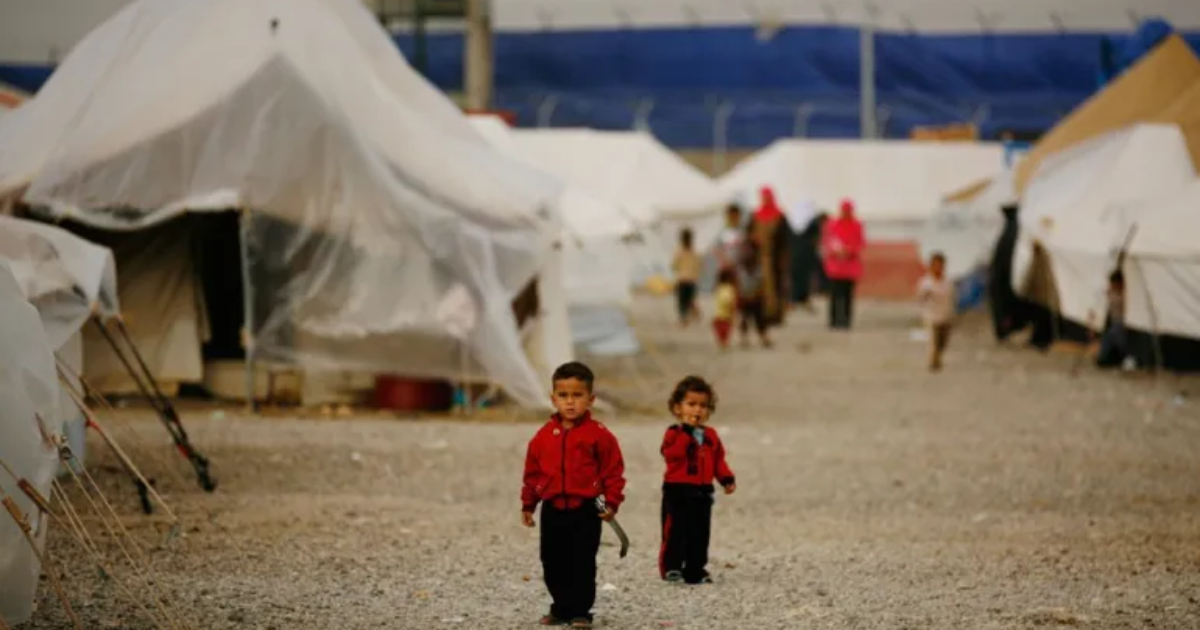
When tens of thousands of people are relocated into an area overnight, the land feels it. Trees are cut for shelter or firewood. Water sources are drained or polluted. Waste disposal systems, if they exist, can’t keep up. And because most camps were never meant to last years, infrastructure is often improvised and unsustainable.
The environmental impact of refugee camps includes soil erosion, deforestation, air and water pollution, and pressure on local resources. In some areas, what began as humanitarian relief has unintentionally caused lasting ecological stress.
Who Bears the Burden
The environmental strain affects everyone, but especially refugees. Overcrowded camps often face shortages of clean water and fuel. Poor sanitation leads to disease outbreaks. And local tensions rise when host communities see their environment degrade.
For example, a camp may need huge amounts of firewood for daily cooking, which depletes nearby forests. That, in turn, affects farming, wildlife, and air quality. The cycle continues, quietly, until it becomes too large to ignore.
What Can Be Done
This isn’t about blaming refugees. It’s about planning smarter and acting sooner. More eco-friendly shelter materials, solar-powered cooking tools, and community waste management projects can ease the pressure.
Aramea Foundation supports initiatives that consider both the humanitarian and environmental angles. When we work with local leaders, we ask: how can we protect people and the land at the same time?
Sustainability shouldn’t be an afterthought. It should be part of how we design aid from the beginning. Because the environment is not separate from the crisis, it’s part of the solution.
The Bigger Picture
The environmental impact of refugee camps reminds us that humanitarian aid must evolve. It’s no longer enough to build tents and deliver water. We need to build systems that can last, and that won’t leave behind more problems when the crisis fades from the news.
Every time we support more sustainable aid, through donations, advocacy, or awareness, we’re making life better for both refugees and their host environments. And that helps everyone.
Conclusion
The environmental impact of refugee camps may be less visible than other parts of the refugee story, but it matters just as much. Clean water, breathable air, healthy land, these are not luxuries. They’re basic needs.
At Aramea Foundation, we believe that supporting displaced people includes protecting the spaces they now call home. Because sustainability isn’t just about the planet, it’s about the people living on it.
