
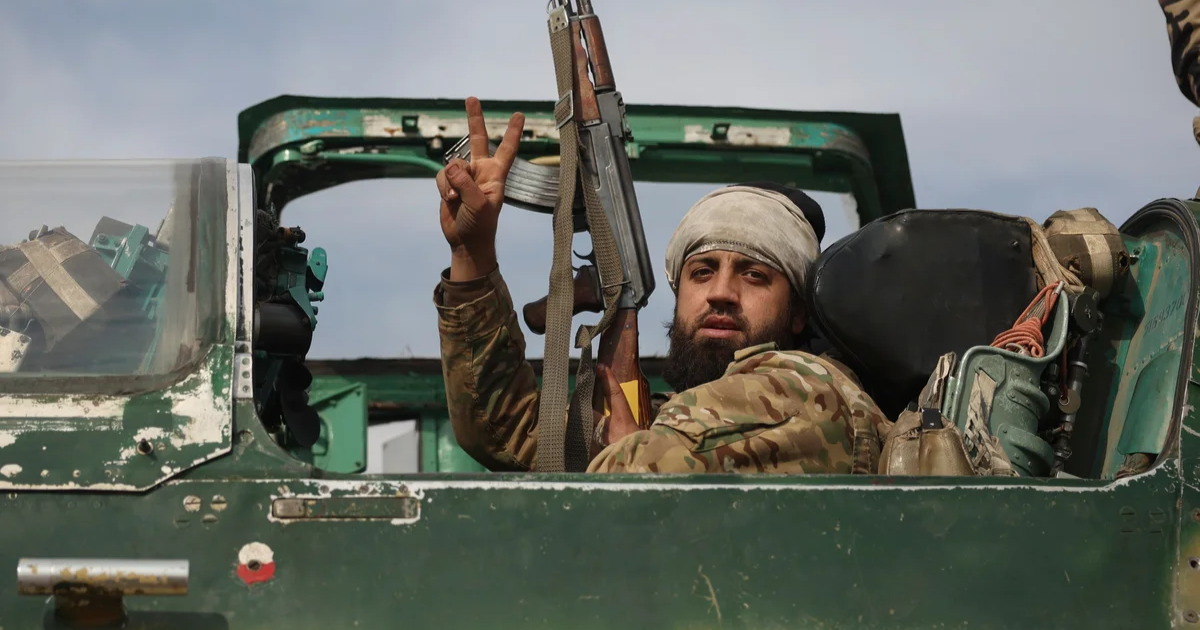

The Syrian civil war has been one of the most complex and devastating conflicts of our time. And yet, many people still find themselves asking a fundamental question: Who are the Syrian rebels? The answer isn’t simple, but understanding it is key to grasping how the war unfolded and why millions were displaced.
For Aramea Foundation, clarity matters. We support displaced Syrians regardless of their background, but we also believe in providing context. When you know who the Syrian rebels are, you begin to see the broader forces that shaped one of the largest refugee crises in history.
The Origins of the Syrian Rebel Movement
In 2011, protests broke out across Syria as part of the Arab Spring. Citizens were calling for political reform, greater freedoms, and an end to authoritarian rule. The government’s harsh response led to a militarized opposition. That opposition would become known as the Syrian rebels.
If you’ve ever asked who the Syrian rebels are, the short answer is: they’re groups that opposed the Assad government during the conflict. But the reality is more layered. The rebel movement has never been a single unified force. It includes moderate factions, Islamist groups, defected soldiers, and grassroots militias.
Rebel Groups and Their Evolution
As the war continued, the rebel movement fractured. Some groups received international support. Others clashed over territory, ideology, or strategy. Over time, new coalitions emerged, while some factions were absorbed, disbanded, or defeated.
So when people ask who the Syrian rebels are, they’re really asking about many different groups that evolved over time. Some were formed to protect local communities. Others pursued political change, and some were drawn into the war by foreign interests.
Understanding this diversity is critical, especially when evaluating the impact on civilians caught in the crossfire.
Why Civilians Were Trapped Between Sides
One of the tragedies of the war is that civilians often had nowhere safe to turn. Government forces, rebel groups, and later extremist factions all controlled different parts of the country. For everyday Syrians, the line between safety and danger shifted constantly.
Knowing who the Syrian rebels are helps explain why people fled. Some left government-held areas, fearing arrest or airstrikes. Others left rebel-held areas, fearing conscription, instability, or violence from rival groups.
The Ongoing Impact of a Fragmented Conflict
Although much of the active fighting has reduced, the war’s legacy remains. Some rebel groups still control parts of Syria. Others have dissolved or been absorbed into new local power structures. But the displacement caused by their battles, and the fear many civilians felt, continues to shape lives today.
Aramea Foundation works with people affected by all sides of the conflict. Our mission is grounded in humanity, not politics. But we believe that understanding who the Syrian rebels are is essential to understanding the war’s complexity and why the road to recovery is so long.
Conclusion
There is no single definition of who the Syrian rebels are. They were, and in some cases, still are, a diverse set of groups driven by different motives, goals, and allegiances. What connects them is their role in a war that has displaced millions and reshaped a nation.
To help Syrians today, we need to understand the layers of the conflict, not to take sides, but to respond with empathy, context, and care.